Sand Beach, Acadia: A Short Coastal Visit With a Parking Plan
Prepare a Sand Beach visit on Acadia's Park Loop Road with a clear stair-access assessment, current arrival information and a coastal activity suited to the group's needs. This independent visitor guide was reviewed on October 18, 2026. It offers an adaptable planning sequence, not a reservation or a report of today's conditions. Check the linked official source before travel and follow on-site closures and staff directions. A photograph or an inviting forecast cannot establish that ocean entry is appropriate.
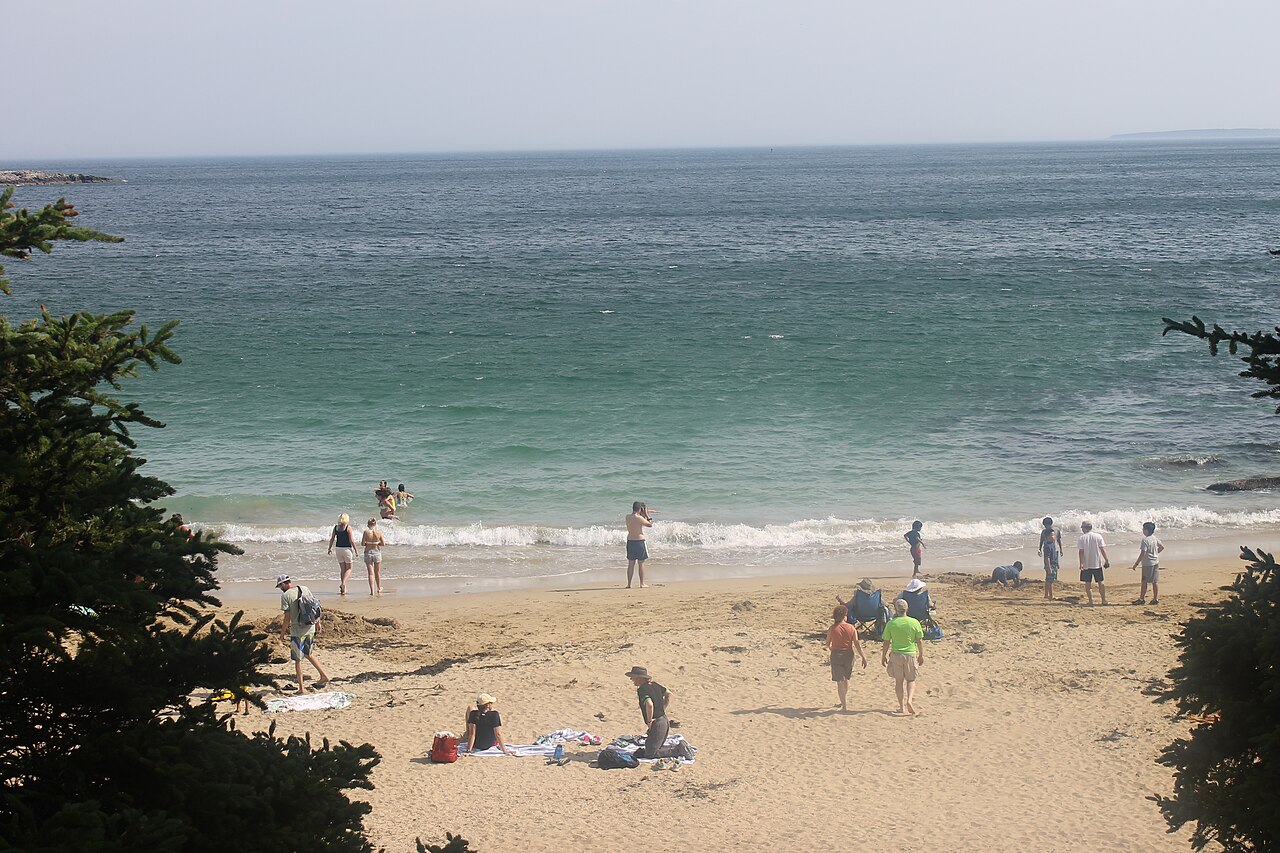
Photo: Billy Hathorn · CC BY 3.0. Reference photograph: Sand Beach, Acadia National Park (2014) IMG 2321.JPG. It does not establish current access, weather, operations or a future event. Display may crop the original.
_IMG_2321.JPG)
Use the exact Acadia destination
Sand Beach is a specific stop on Acadia National Park's Park Loop Road. Save the NPS place page and route rather than a generic Maine coast pin. Keep the name consistent across map, photographs and shared plans. A short stop still needs time for arrival, the route to the sand and a return.
Understand the stair access
NPS states that the sand is reached by stairs and is not wheelchair-accessible. Read the detailed route description for your own needs, including the return climb, rather than assuming accessible parking means access to the beach itself. Ask the park about an appropriate alternative when a companion cannot use the route.
Compare parking and current shuttle service
The NPS page describes parking and an Island Explorer stop. Check the current operator's season and service before relying on a bus, and follow legal parking instructions if driving. Do not assume a listed stop means a service runs every date. Save the return option as carefully as the journey in.
Keep cold water in perspective
NPS warns that the ocean can be very cold even in summer and that tides and waves can surprise swimmers. Do not make water entry the required activity for a first visit. Follow current park information and any on-site instructions. A photograph of people swimming is not a guarantee that the conditions fit your group.
Choose the nearby activity deliberately
The area connects with several named trails, but proximity does not mean they have the same difficulty or exposure. If considering a trail, read its own current description and conditions separately. Do not turn a casual beach stop into an unprepared climb simply because the trailhead is nearby. A modest shore visit can remain the whole plan.
Use facilities as verified support
Check current restroom, water and changing arrangements if they are essential to the outing. Keep the bag manageable for the stairs and do not rely on every listed facility operating outside its normal service period. Carry the necessities for the planned time and protect essential devices. The return load matters as much as the descent.
Plan photographs from suitable positions
The rocky setting is part of the appeal, but stay on permitted routes and avoid approaching exposed edges or waves for an image. Keep your attention on the surroundings rather than only the screen. Do not use another visitor's pose as proof that a location is appropriate. A wider view from a comfortable position can convey the destination accurately.
Leave room for the next park stop
Keep a realistic return and avoid scheduling a distant reservation immediately after an uncertain parking and stair sequence. If the group wants a longer beach rest, shorten an optional later stop rather than rush. Check the current road and transport information before moving on. Leave the whole setup and waste accounted for.
A worked plan you can adapt
A pair chooses Sand Beach as a short Acadia stop and reads the stair description before assuming the route fits. They compare current shuttle service with legal parking and keep the return practical. Their main goal is a rest and coastal view, while any trail is considered separately after reading its own description. The beach bag is light enough to carry back up, and photography stays on suitable permitted routes. If arrival takes longer than planned, they remove an optional later stop rather than rush the beach or stairs. This invented example does not promise parking, bus service, warm water or a suitable nearby hike.
Your working checklist
Checkmarks stay in this browser when storage is available. They do not submit information or complete a purchase.
Put it into practice
- Save the NPS Sand Beach destination on Park Loop Road and check current park alerts.
- Read the stair-access description and assess both descent and return for every person in the group.
- Compare legal parking with the current Island Explorer service, verifying season and a usable return.
- Choose a shore-based main activity and keep any water entry conditional on current instructions and personal suitability.
- Read a nearby trail's own current difficulty and conditions before adding it as an activity.
- Carry a manageable load and use permitted routes and photography positions, verifying any essential facility.
- Return with time for the stairs and onward route, removing all belongings and waste before the next stop.
Before you finish
- The access point for Sand Beach agrees with the saved map and your transport destination.
- Access, current alerts, local rules and any required reservation have been rechecked.
- The day's activity fits current conditions and the group's needs, with no promise of safe swimming.
- Everyone knows the return plan and all belongings and waste have been accounted for.
Common questions
Does accessible parking mean wheelchair access to the sand?
No. NPS states that Sand Beach itself is reached by stairs and is not wheelchair-accessible. Check the complete route and alternatives with the park.
Is the ocean warm enough simply because it is summer?
Do not assume so. NPS warns that the water can be very cold even in summer; follow current information and keep a land-based plan.
Are all nearby trails casual beach walks?
No. Read each trail's own difficulty, exposure and current conditions before adding it. A nearby trailhead does not make a route suitable for an unprepared visitor.
Will the Island Explorer run on any date?
Check the operator's current season and timetable. A listed bus stop is not a year-round service guarantee.