Hunting Island State Park, South Carolina: Beach Access and a Flexible Day
Use Hunting Island's current park advisories, exact beach access and facility information to plan a lowcountry coastal visit without assuming every bridge, lighthouse or trail is open. This independent visitor guide was reviewed on October 18, 2026. It offers an adaptable planning sequence, not a reservation or a report of today's conditions. Check the linked official source before travel and follow on-site closures and staff directions. A photograph or an inviting forecast cannot establish that ocean entry is appropriate.
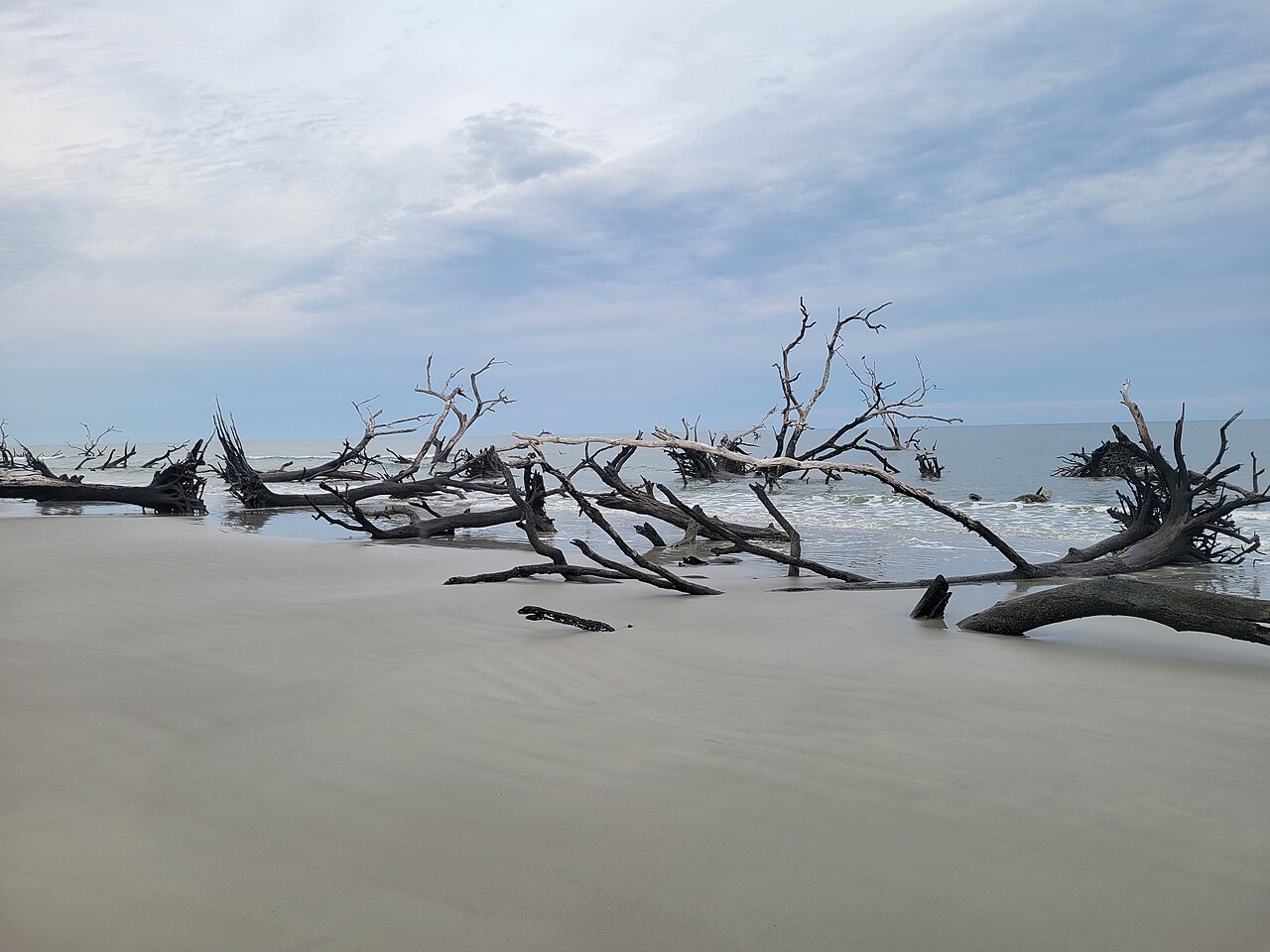
Photo: CurlingMan13 · CC BY-SA 4.0. Reference photograph: Hunting Island Beach 3.jpg. It does not establish current access, weather, operations or a future event. Display may crop the original.

Choose Hunting Island precisely
Use the official state-park destination and distinguish it from other lowcountry islands or commercial excursions. Save the actual arrival point and intended beach area. A broad image of palmettos or a lighthouse is not enough to establish the route. Keep one main park activity rather than turning the day into an undefined regional drive.
Read the advisory before selecting a route
At the October 18, 2026 review, the official page reported the bridge to Little Hunting Island/Boneyard Beach temporarily closed because of hazardous tide-related conditions. Recheck before travel and follow the current closure. Do not base an itinerary on crossing that bridge simply because an older photograph or guide recommends it.
Verify lighthouse and facility access separately
The presence of a lighthouse in the park does not guarantee a climb, building entry or shop hours on your date. Check each activity you actually want through current official information. Keep the main beach visit worthwhile without that extra. A temporary store schedule or event notice should not become a permanent expectation.
Match the route to personal needs
Review the current access options and ask about any relevant mobility arrangement in advance. The park lists a track-chair program with reservation instructions; availability and suitability still need confirmation. Consider the complete journey from parking through the activity and back. A useful question describes practical needs rather than assuming one piece of equipment solves every stage.
Plan for the lowcountry environment
Check the forecast and prepare permitted protection and clothing for the actual weather and planned route. Bring the necessities for food, water and ordinary comfort without relying on an unverified service. Keep the load manageable between the vehicle and chosen base. The forest, marsh and beach setting can reward a slower plan rather than constant movement.
Treat ocean entry as conditional
Review current coastal information and follow posted directions and park staff. A park being open does not establish suitable water conditions. Keep walking, observation and a picnic as a complete alternative. Do not cross a closed area to reach an emptier beach or use another visitor's choice as evidence that the route is appropriate.
Keep a modest activity sequence
Choose arrival and orientation, one main beach period and an optional currently open feature. Leave rest and packing time between them. If the group becomes tired, shorten the optional part instead of creating pressure to justify the drive. A manageable day respects both the visitors and the park's changing coastal access.
Leave through the approved route
Check current closing instructions and the drive back before extending the outing. Account for people, equipment and waste, including anything carried for a picnic. Follow closures even if the approved return feels less direct. A responsible Hunting Island itinerary values the actual permitted visit over obtaining every photograph associated with the place.
A worked plan you can adapt
A couple wants a beach walk and initially saves a Boneyard route from an older article. They read the official advisory and remove the bridge crossing while it is closed, replacing it with a currently permitted beach plan. A lighthouse-related activity remains optional until its access is verified. They ask about a mobility detail in advance, carry a light picnic and give the return drive its own time allowance. If the weather or the group's energy changes, they shorten the optional activity rather than crossing a closure or rushing. This invented plan shows why a specific park advisory matters more than the photograph that first inspired the visit.
Your working checklist
Checkmarks stay in this browser when storage is available. They do not submit information or complete a purchase.
Put it into practice
- Save the official Hunting Island destination and intended access rather than using a broad lowcountry island label.
- Read current advisories, especially any bridge or tide-related closure, before choosing the day's route.
- Verify a lighthouse activity, store or other facility separately and keep it optional until confirmed.
- Ask in advance about essential mobility arrangements, including any listed equipment program and the complete access chain.
- Pack a manageable permitted load and check current weather and coastal instructions.
- Choose one main beach activity and adapt it to conditions, keeping a land-based alternative and respecting every closure.
- Pack completely and leave through the approved route with enough time for the return drive.
Before you finish
- The access point for Hunting Island State Park agrees with the saved map and your transport destination.
- Access, current alerts, local rules and any required reservation have been rechecked.
- The day's activity fits current conditions and the group's needs, with no promise of safe swimming.
- Everyone knows the return plan and all belongings and waste have been accounted for.
Common questions
Can I follow an old Boneyard Beach route?
Not without checking the current advisory. At review, the park reported the Little Hunting Island/Boneyard bridge temporarily closed for hazardous conditions.
Does the lighthouse guarantee a climb or shop visit?
No. Check the actual current activity and facility information separately from ordinary park entry.
Is the track chair automatically available?
No. Use the park's current reservation and suitability information and confirm the complete access arrangement before relying on it.
Does an open park mean suitable swimming?
No. Coastal conditions and posted or staff directions remain separate checks. A shore-based visit can be the complete plan.