Ruby Beach, Washington: A Coastal Walk With a Tide and Weather Plan
Prepare a Ruby Beach visit in Olympic National Park by assessing the bluff-to-beach route, current tide and surf information and the return effort before committing to the sand. This independent visitor guide was reviewed on October 18, 2026. It offers an adaptable planning sequence, not a reservation or a report of today's conditions. Check the linked official source before travel and follow on-site closures and staff directions. A photograph or an inviting forecast cannot establish that ocean entry is appropriate.
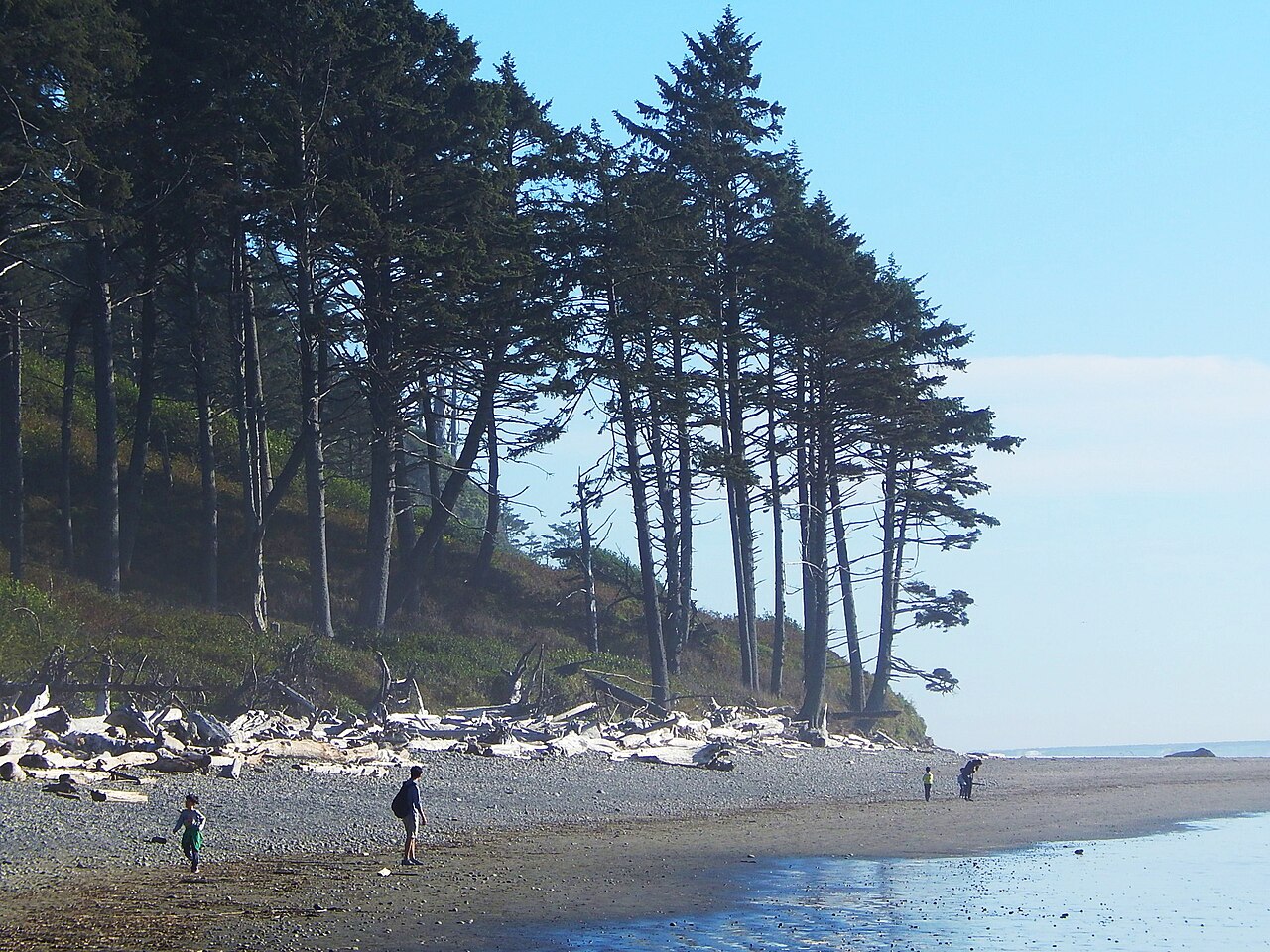
Photo: Ron Clausen · CC BY-SA 4.0. Reference photograph: Ruby Beach Washington coast.jpg. It does not establish current access, weather, operations or a future event. Display may crop the original.

Use the Olympic National Park destination
Ruby Beach is a specific access on Washington's Olympic coast. Save the NPS destination and intended arrival point rather than relying on a generic Pacific Northwest beach image. Check the park's current alerts before driving. A named coastal stop on a road itinerary is still a visit that needs its own access and conditions assessment.
Read the access description carefully
The NPS describes a descending gravel route with slopes and drainage features, plus an overlook near parking. Review the detailed accessibility information for your own needs rather than assuming a short path is effortless. The effort of returning uphill matters as much as reaching the sand. Ask the park about a material uncertainty before travel.
Check the beach transition
NPS notes that ocean swells can rearrange beach logs and alter the point where the trail reaches the shore. Do not assume a photograph from another visit describes today's transition. Assess the approved route and follow current staff or closure information. If it does not fit the group, choose the overlook or another appropriate alternative without forcing descent.
Use tides with surf and weather
Check current coastal conditions as well as the tide prediction. A predicted low water time does not guarantee a suitable walk around every feature. Keep a clear return route and avoid allowing a changing shoreline to separate you from access. A short scenic stop should not become an improvised expedition beyond your preparation.
Keep the visit about observation
The sea stacks and coastal setting make a suitable focus without entering the ocean. Choose a broad view, a modest permitted walk or photography from a comfortable position. Do not use other visitors' actions as proof that approaching waves or logs is appropriate. Keep the group aware of the water while attention is on a camera.
Pack for the actual return
Wear practical footwear and bring layers appropriate to the current forecast, with a manageable amount of water and food. Carrying a heavy picnic down a slope creates the same load on the way back. Keep essential devices protected and preserve battery for the drive or onward route. Verify facilities through current NPS information rather than assumptions.
Set a turnaround and time budget
Choose a visit window that includes arrival, route assessment, observation and the uphill return. Let the least comfortable walker determine whether to extend the walk. If a later road stop matters, make it optional rather than rushing on wet or uneven ground. The beach can be the main experience without covering a large distance.
Leave the coast as you found it
Follow current park rules for wildlife, collecting and permitted areas. Keep food and waste controlled and take all belongings back. Recheck the onward road and weather information before departure. A responsible Ruby Beach visit does not require a perfect sunset, an ocean swim or an image taken from a precarious position.
A worked plan you can adapt
Two travelers add Ruby Beach to a road trip but first read the detailed NPS access description. One has limited tolerance for steep uneven walking, so they plan a route assessment and a viewpoint alternative rather than promising a full beach walk. They check tide, surf and weather, carry a light load and leave the next stop optional. At the access, they consider the current transition and decide how far the group can comfortably go and return. Their photography goal is a broad coastal view from a suitable location, not a particular rock position. This invented plan does not guarantee access, a clear overlook or ideal light; it makes the group's practical decision explicit before the coast becomes a deadline.
Your working checklist
Checkmarks stay in this browser when storage is available. They do not submit information or complete a purchase.
Put it into practice
- Save the exact NPS Ruby Beach destination and check current park alerts before adding it to the road itinerary.
- Read the detailed route and accessibility description, considering both descent and the effort of returning uphill.
- Check tide, surf and weather together and choose a modest observation plan with an appropriate alternative.
- Pack practical footwear, layers and a light load that the whole group can manage on the return.
- Assess the current trail-to-beach transition and follow closures or staff guidance rather than copying an old photograph.
- Keep a clear return and turnaround, choosing the overlook or shortening the walk if conditions or the group require it.
- Return with all belongings and waste and recheck the onward route before resuming the drive.
Before you finish
- The access point for Ruby Beach agrees with the saved map and your transport destination.
- Access, current alerts, local rules and any required reservation have been rechecked.
- The day's activity fits current conditions and the group's needs, with no promise of safe swimming.
- Everyone knows the return plan and all belongings and waste have been accounted for.
Common questions
Is Ruby Beach an effortless stop because the access is short?
Not necessarily. Read the NPS slope and surface description and consider the return uphill, current logs and each person's needs.
Can a past photograph show the current beach access?
No. NPS notes that swells can move beach logs, so the transition can change. Assess current information and the actual approved route.
Does low tide make every coastal feature safe to approach?
No. Surf, weather, route and changing water still matter. Keep the visit within your preparation and maintain a clear return.
What if the descent is unsuitable for our group?
Use an appropriate available viewpoint or shorten the visit instead of forcing the route. Ask the park about access needs and current conditions beforehand.